



 Chernivtsi region,
  +38 (050) 50 50 103
 Mon.-Fri.: 08:00-20:00,
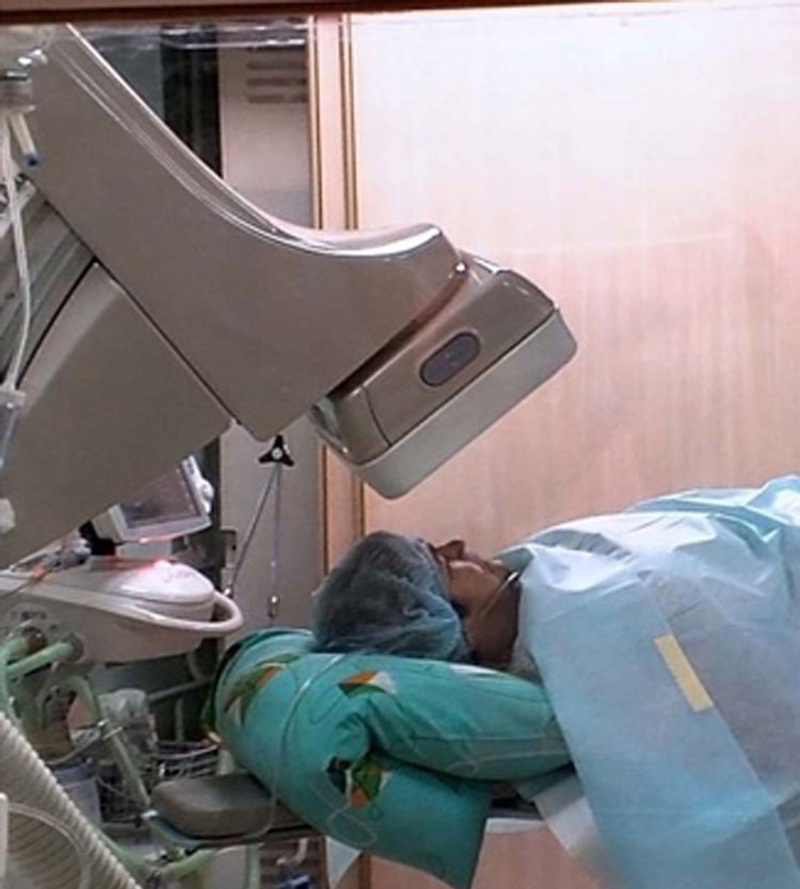
Nowadays, heart disease is one of the main causes of mortality.Most often, problems of the cardiovascular system occur in people over 50 years, but the modern way of life, far from optimal, environmental degradation, constant stress, poor nutrition, etc. includes at-risk younger people as well.
The heart is a powerful pump that provides blood circulation. Organs and tissues gets nutrients and oxygen from circulating blood, without which their life would be impossible. To perform this significant work, the heart requires a large amount of oxygen, the delivery of which is responsible for the extensive system of the coronary arteries. Pathological changes in the state of blood vessels invariably leads to a deterioration of the blood supply to the heart and, as a consequence, to the development of serious cardiovascular diseases.
Atherosclerosis is the most common chronic disease which is affecting the arteries.
Gradually increasing atherosclerotic plaques, single or multiple, growing on the inner wall of the vascular wall are mainly cholesterol deposits. Growth in the artery of the connective tissue (sclerosis) and calcification of the vessel wall lead to a slowly progressive deformation, narrowing of the lumen up to complete emptying (obliteration) of the artery and thus cause chronic, slowly increasing insufficiency of blood supply to the organ, which is alive. In the case of heart muscle, a person may experience the following symptoms:
- chest pain
- nausea
- shortness of breath
- tachycardia
- excessive sweating
Cardiologists have many advanced methods of surgical treatment.
Before the advent of intravascular methods of treatment, the only surgical method for the treatment of coronary heart disease was the operation of coronary artery bypass grafting.
Many patients are now avoiding surgery by using effective and low-traumatic techniques, one of which is coronary stenting (coronary stent implantation). But first you need to have a test to know exactly the condition of the vessels of the heart. The most accurate diagnostic method to date is coronary angiography - the "gold standard" for the diagnosis of coronary heart disease worldwide.
Coronary angiography is a radiocontrast method for the examination of vessels, with the help of which the places and the degree of their lesion are revealed.
This type of study is the most accurate and reliable way to diagnose coronary heart disease and allows you to address the need for treatment such as angioplasty and stenting.
This procedure is invasive, as it aims at the introduction of a special catheter and can be performed for diagnostic purposes and for monitoring some operations.
Indications for coronary angiography:
- ischemic heart disease detected or suspected
- pain behind the sternum
- myocardial infarction
- preparation for surgery for heart disease
- heart failure
- in cases of risk in non-invasive load studies
- angina pectoris with ventricular disorders of rhythm
- in cardiopulmonary resuscitation
- ischemic lung edema
The indication for coronary angiography is determined by the attending physician, who assigns the necessary tests and studies, which are required, including:
- general blood test
- blood type
- Rh factor
- tests for hepatitis B and C viruses, HIV, RW
- electrocardiography (ECG) in 12 leads
- echocardiography (ultrasound of the heart)
In addition to these, may be assigned additional study. The procedure of coronary angiography is performed in the office of radiological and vascular surgery.
After anesthesia, they begin the study - a special catheter is conducted through the femoral artery to the upper aorta into the lumen of the coronary arteries. In some cases, it is possible to insert a catheter through the artery of the forearm.
With the help of a catheter, a radiopaque substance is introduced into the bloodstream, which is carried by the bloodstream through the coronary vessels, which makes their condition visible on a special device - an angiograph.
In the course of coronary angiography, the extent and extent of the lesions of the coronary vessels are determined, which determines the further tactics of treatment.
This procedure is low-impact, eliminating the need for general anesthesia, since its implementation occurs under local anesthesia.
Performing coronary angiography allows for simultaneous balloon dilation and stenting operations.
Decision of the doctor will be agreed with the patient, in this case
However, the following complications are possible:
- bleeding at the puncture site
- heart rhythm disturbance
- allergic reaction to contrast
- coronary artery thrombosis
- acute dissection of the intima of the artery
- development of myocardial infarction
Usually, following the doctor's recommendations, the risk of complications is practically absent.
In the event of their occurrence, the qualifications of the medical staff, the experience of specialists and the appropriate equipment allow for the provision of appropriate emergency assistance. The results of the coronary angiography allow cardiologists to evaluate the condition of the blood vessels and recommend options for further treatment: medication, stenting or shunting (open heart surgery).
| Doctor | Name | Specialization | Reception time (Sunday) |
|---|---|---|---|
 |
Камянченко Вячеслав Миколайович | Anesthesiology, Cardiology | - |